







Search Results for: Water flow
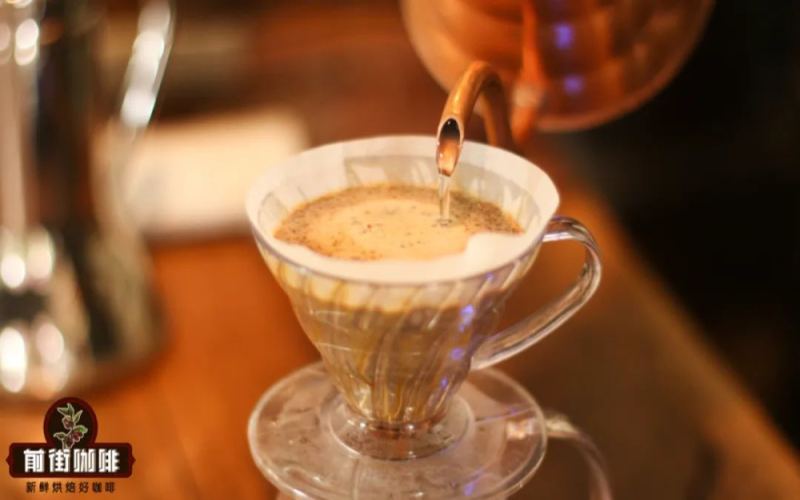
How Does Pour-Over Coffee Water Flow Rate Affect Extraction? A Detailed Explanation of the Differences Between Fast and Slow Flows and Methods for Measuring Flow Rate
During the pour-over brewing process, the speed of pouring water directly affects the extraction time, the state of the coffee bed, and the final flavor expression. Many enthusiasts misunderstand large and small water flows, believing that a small flow equals gentleness and a large flow equals forcefulness. In reality, flow rate refers to the amount of water poured per second and has no absolute relationship with impact force. This article will analyze in detail the effects of large and small water flows on different extraction results, share how to measure pouring flow rate with an ordinary electronic scale, and, combined with Front Street Coffee's practical experience, explain when to switch between large and small water flows, helping you adjust flexibly during brewing to achieve a more ideal coffee flavor. [more…]
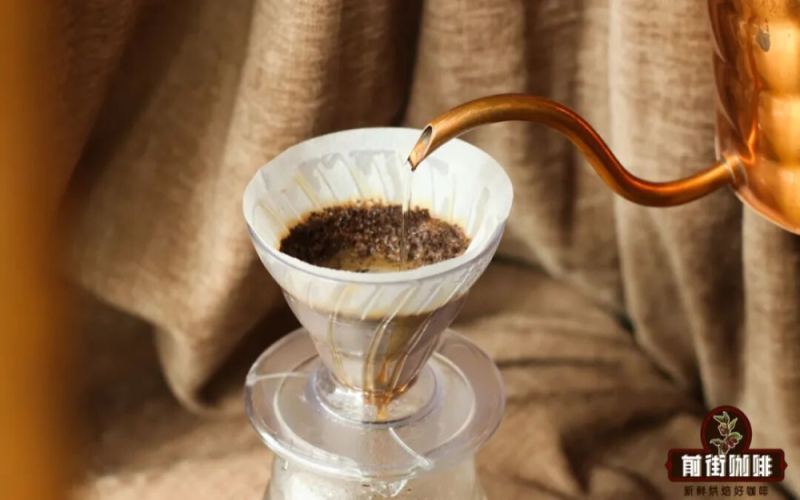
Analyzing the Causes of Abnormal Pour-Over Flow Rate: Seven Major Factors from Dripper and Filter Paper to Bean Quality and Water Flow
When brewing pour-over coffee, the drip rate of the coffee liquid often reflects the quality of the extraction. If the flow is too fast, it may lead to under-extraction and a weak, bland flavor; if the flow is too slow, it tends to over-extract, producing bitterness and off-flavors. So what exactly are the factors that influence the flow rate of coffee? Front Street Coffee will break down the key elements affecting flow rate one by one from seven aspects: the pairing of dripper and filter paper, the density and processing method of the coffee beans, the roast level, the grind size, the pouring technique, and the water level inside the dripper. Understanding the relationships among these variables will help you quickly identify the root cause the next time you encounter an abnormal flow rate and make targeted adjustments, bringing every cup of coffee closer to the ideal flavor. [more…]
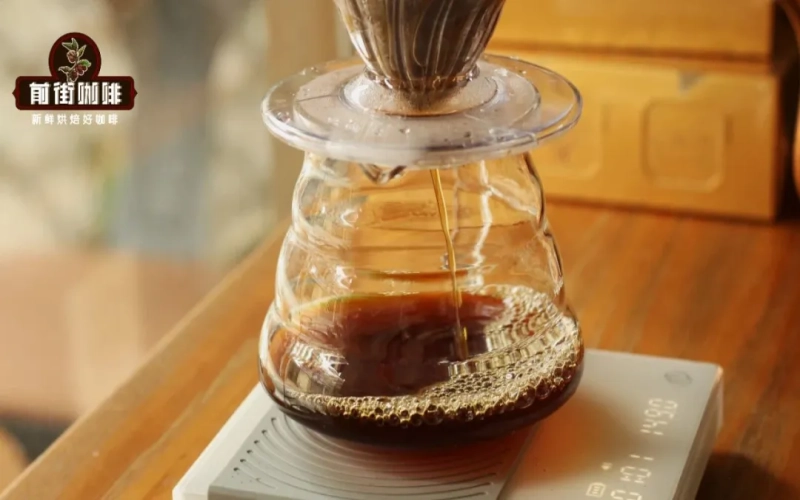
A Complete Analysis of Pour-Over Coffee Water Pouring: How Position, Path, Height, and Flow Rate Affect Extraction
Many friends who are teaching themselves pour-over coffee at home often run into a problem: even when the parameters match those recommended by Front Street stores, the coffee they brew comes out inconsistent—sometimes good, sometimes bad. The reason is mostly that the water flow is not stable enough during pouring. The position, path, height, and size of the pour all directly affect the evenness of extraction and the flavor expression of the coffee. SCA experimental data shows that the higher the stability of the water flow, the higher the extraction evenness. Starting from the brewing practice with Front Street’s Little Tomato coffee beans, this article systematically analyzes how the four major elements of pouring affect extraction, and gives specific operational suggestions to help you consistently brew a delicious cup of pour-over coffee. [more…]
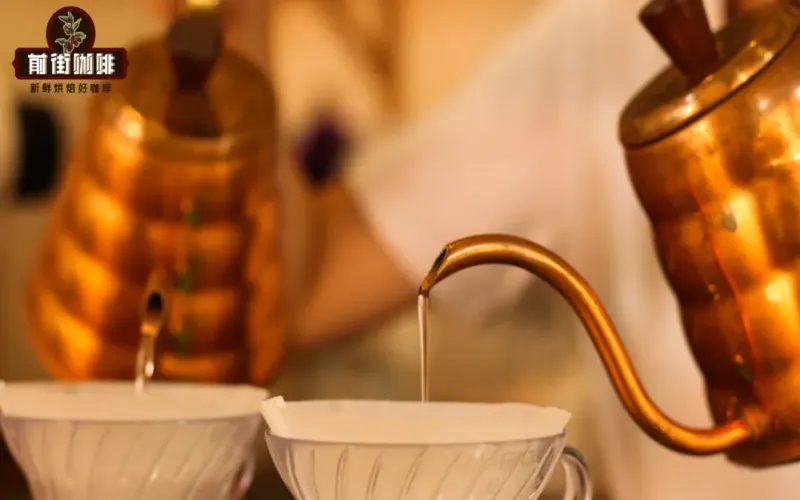
How Does Pour-Over Water Flow Rate Affect Coffee Flavor? A Practical Analysis of Pouring Techniques and Coffee-to-Water Ratio
In the practice of pour-over coffee, the control of flow rate is often misinterpreted as a synonym for agitation intensity. Many enthusiasts and bloggers believe that a large flow means strong agitation of the coffee bed, while a small flow means gentle, minimal agitation. However, through experiments, Front Street Coffee has found that what truly determines agitation intensity is the pouring height and the speed of circling, while the flow rate actually determines the duration of contact between water and coffee grounds. This article will start with defining large and small flow rates, use comparative experiments to demonstrate extraction differences, and share practical pouring techniques and brewing ratios to help you more precisely master pour-over variables. [more…]
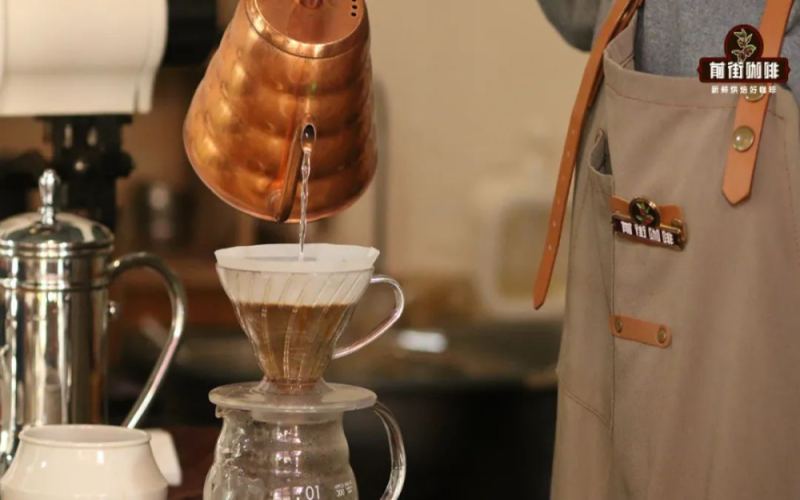
How Does Pour-Over Flow Rate Influence Flavor? Timing and Application of High vs. Low Flow Rates
What flavor differences do variations in pouring speed actually create during pour-over coffee brewing? Many enthusiasts hold misconceptions about flow rate—for example, believing that a slow pour is necessarily gentle and a fast pour is inevitably aggressive—when in fact the degree of turbulence is the real key to judging gentleness versus boldness. Moreover, because kettle spout diameters and water control abilities differ from person to person, there is no universal standard for what counts as a fast or slow pour. In this article, Front Street Coffee will guide you past these two misconceptions, teach you how to measure your own pouring rate with a digital scale, and analyze in detail how different flow rates affect extraction time, water level height, and the final taste, while also offering practical advice on when to increase the flow and when to switch to a slower pour, helping you find the pouring rhythm that suits you best. [more…]
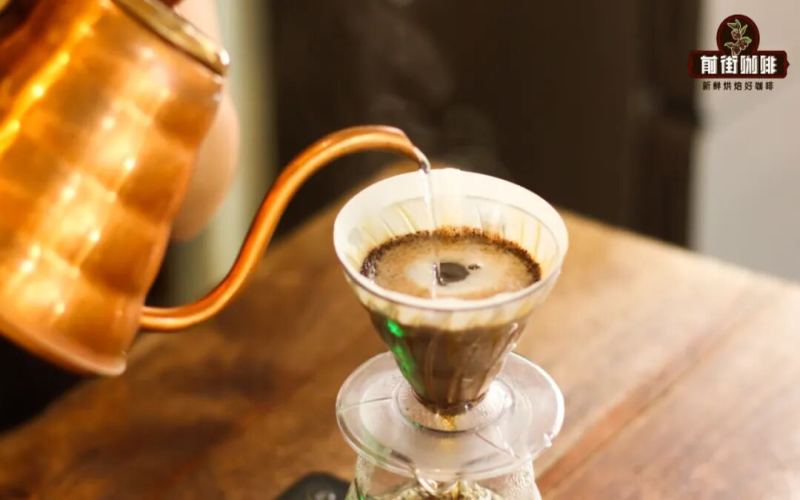
Pour-Over Coffee Water Pouring Techniques | How Should Coffee Beginners Learning Pour-Over Coffee Pour Water? What Details Should Be Paid Attention to When Pouring Water in Pour-Over Coffee?
At Front Street Coffee shops, we often meet friends who have been teaching themselves pour-over coffee at home and come to discuss brewing-related questions with us. Many of them say that although the parameters they use are exactly the same as those we recommend in the shop, the coffee they brew always tastes inconsistent—sometimes good, sometimes bad—and they have no idea where the problem lies. In cases like this, [more…]

Four Methods for Adjusting Pour-Over Coffee Flow Rate: Pulse Pouring, Water Flow Control, Changing Filters and Drippers, and a Front Street Brewing Example
In the extraction process of pour-over coffee, grind size is often regarded as the primary means of adjusting flow rate, but in reality there are several other operational methods that can change the speed at which coffee liquid drips through. Front Street Coffee will share four practical methods: staged pouring, controlling water flow rate, changing the filter paper, and changing the dripper, and will explain in detail how the designs of different drippers affect flow rate. The article also combines Front Street Granja Geisha and PWN Golden Mandheling beans to provide specific brewing parameters for the V60 and Kono drippers, helping coffee enthusiasts flexibly adjust extraction time while keeping other variables fixed, so as to achieve the ideal flavor. [more…]
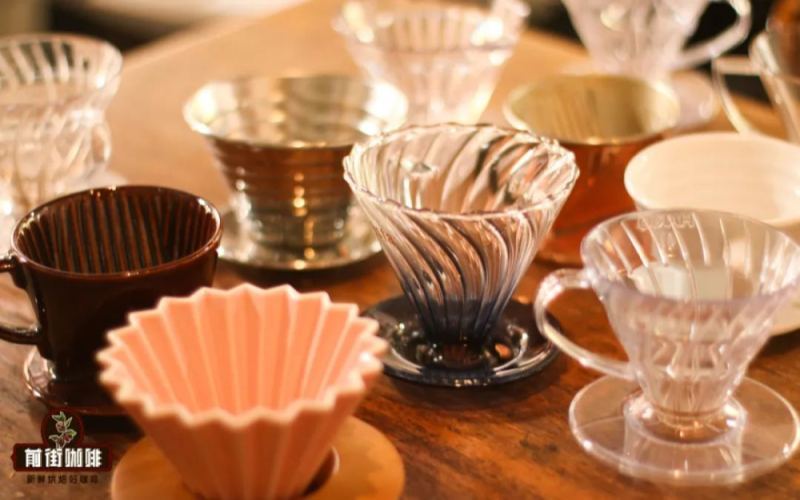
How Do Flow-Guiding Ribs and Holes Affect Pour-Over Extraction? A Full Analysis of Dripper Structural Differences
Pour-over drippers on the market come in all shapes and sizes, from conical to fan-shaped, from single-hole to multi-hole, and behind every design lies a different extraction logic. The key to a cup of coffee's flavor direction is often hidden in the distribution of the dripper's ribs and the drainage holes. How do the flow channels alter the water path? Why do spiral ribs make extraction more even? How do the number and size of the holes affect the drainage speed? From Front Street's perspective, this article breaks down the core structure of the dripper one by one, helping you see the essence amid a dazzling array of products and choose the one that truly suits you. [more…]

What Exactly Is Flow Cut-off in Pour-Over Coffee? An In-Depth Look at Why It's Not Recommended to Cut the Flow Casually
In the world of pour-over coffee, the technique of "flow cutoff" is regarded by many beginners as a clever trick to avoid over-extraction—by simply removing the dripper early during the extraction, it seems you can shut bitterness out. However, Front Street Coffee has found that this seemingly smart approach actually hides a misconception: flow cutoff cannot truly stop the release of bitter compounds, and it may instead strip away the coffee's rich layers and lingering aftertaste. So how exactly is bitterness dissolved? Why can't flow cutoff stop bitterness? In what scenarios is using flow cutoff correct and necessary? This article, drawing on Front Street Coffee's brewing experience, will answer these questions one by one, helping you make a clearer brewing decision between the coffee-to-water ratio and the coffee-to-beverage ratio. [more…]
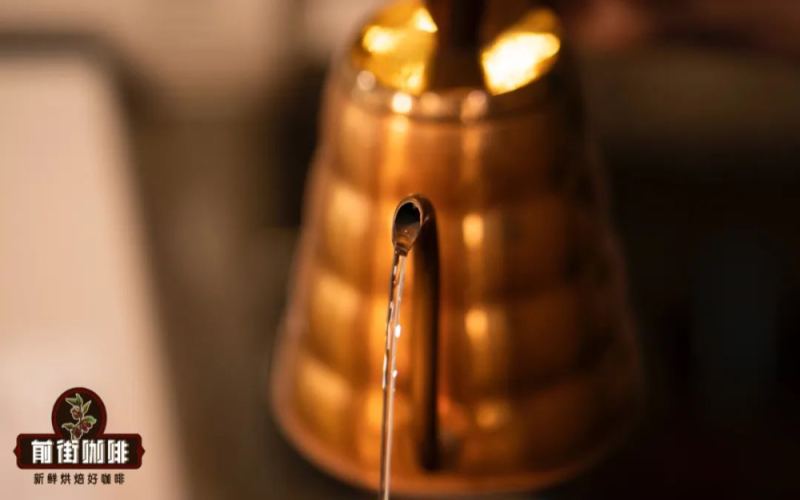
A Comprehensive Guide to Pour-Over Coffee Water Control Techniques: The Difference Between High and Low Flow Rates and Systematic Practice Methods
In the process of brewing pour-over coffee, the key to determining the quality of a cup often lies not in the final shape of the coffee bed, but in whether the brewing parameters match the beans and equipment, and whether the water flow is stable and controllable during pouring. An erratic flow rate or a drifting pour point can lead to problems such as excessive bypass water and uneven extraction. From the perspective of Front Street, this article systematically explains how to choose and consistently practice with a pour-over kettle, and advances water control skills in two stages—fixed-point steady pouring and circular steady pouring—while also explaining the performance differences between large and small flows under different spout diameters, helping coffee enthusiasts find a practice path that suits them. [more…]
The Complete Guide to Pour-Over Coffee Water Flow Control: From Kettle Selection to Circular Pouring Techniques, a Systematic Method for Developing a Stable Stream
Whether you can brew a good cup of coffee often hinges on one key element: pouring and flow control. Parameters can be adjusted through understanding and trial and error, but flow control is more of a technical skill that relies on muscle memory—it requires choosing the right equipment, adopting the correct posture, and practicing repeatedly. This article starts with the spout diameter and water capacity of the pour-over kettle, explaining how different choices affect the difficulty of practice. It then goes on to explain the posture points during pouring, such as the distance between your body and the dripper and the height of your arm. Finally, it provides a complete training sequence from a thin stream to a thick stream, and from a steady straight line to concentric circles, helping coffee enthusiasts build stable flow control skills in a short time. The article also retains practical observations and suggestions from Front Street Coffee stores for readers' reference. [more…]
The Complete Guide to Pour-Over Coffee Water Pouring: Analyzing the Core Techniques of Position, Path, Height, and Flow Rate
Many coffee enthusiasts who practice pour-over at home often struggle with inconsistent flavor even when their parameters match those used in cafés. The root cause usually lies in the water stream not being stable enough during pouring. In fact, the position, path, height, and size of the pour all directly affect the extraction. SCA experimental data shows that the higher the stability of the water stream, the higher the extraction uniformity. This article draws on the hands-on experience of Front Street cafés to systematically explain how to stabilize the brewing of a delicious pour-over coffee through precise control of pouring. Whether you are a beginner or an advanced player, mastering these pouring essentials can take your coffee quality to the next level. [more…]
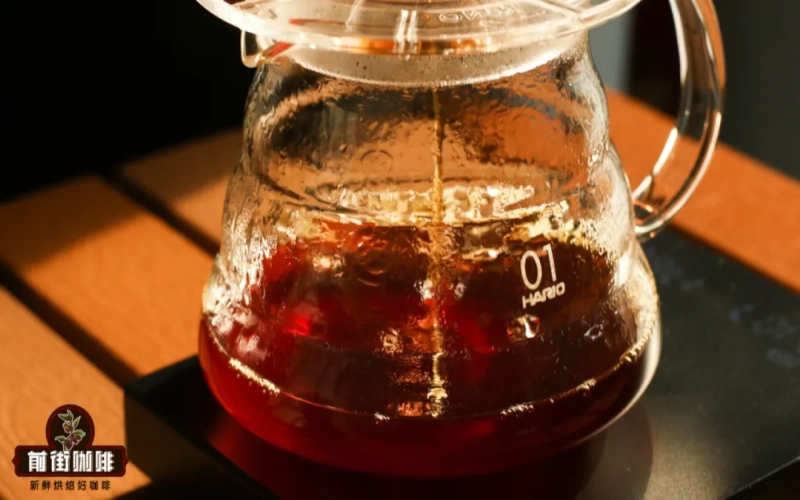
How do grind size and differences in dripper and filter paper affect coffee extraction flow rate and time?
The duration of extraction is directly related to how many substances the hot water carries out from the coffee grounds, and the key to determining the extraction time lies in the penetration speed of the hot water through the coffee bed. Many people think that grind size is the only factor controlling flow rate, but in reality, different drippers and filter papers can also have a noticeable impact on flow rate. In this article, Front Street Coffee first reviews the basic effect of grind size on flow rate, then further breaks down the differences in structure and material among drippers and filter papers from different brands, to help you understand the relationship between flow rate and extraction in pour-over coffee more comprehensively. [more…]

A Complete Guide to Water Control Techniques in Pour-Over Coffee: Systematic Training from Flow Rate and Pouring Height to Circular Pouring Technique
The flavor profile of pour-over coffee depends to a large extent on the stability of the pouring. Many enthusiasts plan their brewing parameters in advance, but once they start, the water flow becomes difficult to control, and the final result is left to chance. Drawing on Front Street's practical experience, this article systematically lays out training methods for the fundamental skill of water control, including how to choose and hold a pour-over kettle, the key points for controlling a vertical stream, reference ranges for flow rate and pouring height, and the correct path for circular pouring along with common mistakes. Through progressive practice, it helps you improve your feel for starting and stopping the pour during actual brewing, making extraction more even and the flavor closer to the ideal. [more…]
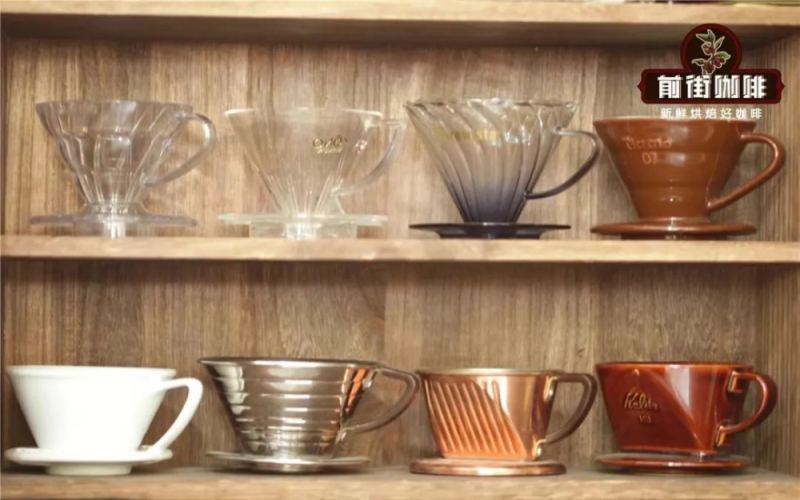
How to Choose a Pour-Over Dripper? From Ribs and Material to Appearance, Understanding the Pros and Cons of Every Type in One Article
Choosing a handy dripper is the first hurdle for pour-over beginners. The market is flooded with all kinds of drippers, from the classic V60 to oddly shaped strawberry and diamond drippers—what exactly are the differences between them? This article starts with the structural design of the flow channels, explaining how spiral ribs, vertical ribs, and concave flow grooves affect water flow speed, then compares the real-world performance of materials like resin, glass, ceramic, and metal, and finally discusses the involution trend in dripper appearance design. Drawing on years of brewing experience, Front Street Coffee offers functionality-first purchasing advice to help coffee lovers find the dripper that best matches their own brewing style. [more…]
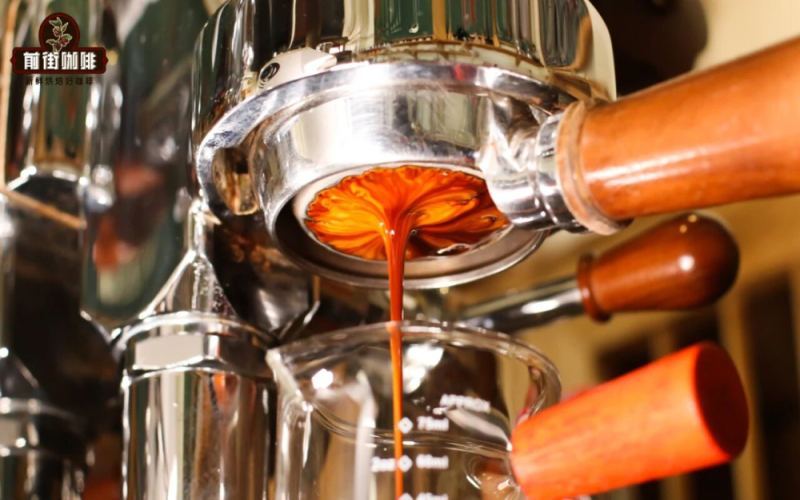
How Does Extraction Water Temperature Influence Espresso Flavor? Analyzing the Ideal Espresso Temperature from Flow Rate Changes to Dose Differences
Many coffee enthusiasts, when discussing espresso extraction, tend to focus on grind size, dose, ratio, and pressure, yet overlook an equally critical variable—water temperature. In fact, water temperature not only influences the direction of coffee flavor but also alters extraction flow rate, and there can even be a temperature difference between the boiler temperature and the water temperature that actually contacts the coffee grounds. This article, from the perspective of Front Street Coffee, systematically examines the mechanism by which water temperature affects espresso extraction, analyzes the pros and cons of high and low temperatures, and, drawing on the hypothetical experiments in Rao's "The Extraction Science of Espresso," explains how to choose appropriate water temperature settings under different dose ratios. [more…]
A Complete Guide to Pour-Over Coffee Water Pouring Techniques: The Key to Even Extraction and the Real Impact of Flow Rate on Flavor
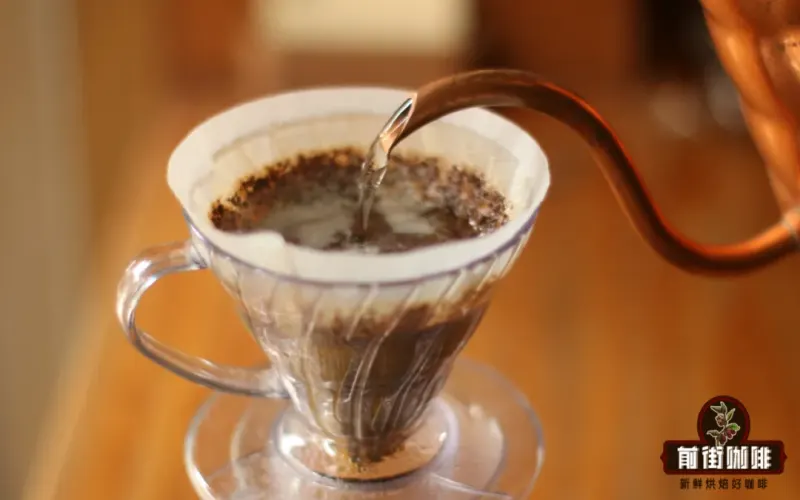
Many people believe that as long as they buy good-quality coffee beans, it will not taste bad no matter how they brew it, but this is not the case. Pouring water itself is an extremely critical extraction variable; it determines whether the coffee grounds can be extracted evenly and also directly affects the flavor performance in the final cup. Just as a chef constantly tosses food in the wok to heat it evenly when cooking, the pouring motion in pour-over brewing also requires different flow rates and strength at different stages to regulate the process. Starting from the fundamental purpose of pouring water, this article will explain why pour-over coffee requires attention to the pouring method, and specifically analyze the difference between a strong flow and a gentle flow, helping you understand how to achieve even extraction through flow control while avoiding the extraction of unpleasant substances. [more…]
How Water Temperature Shapes Espresso Flavor, Flow Rate, and Extraction
In espresso extraction, grind size, dose, ratio, time, and pressure are often the focus of discussion, while water temperature is frequently overlooked. In fact, water temperature also has a decisive impact on aroma, flavor, and strength. This article will, from the perspective of Front Street, discuss the setting range of boiler water temperature, the effect of water temperature on flow rate, the difference between boiler temperature and extraction temperature, and why the higher the dose, the higher the preset water temperature needs to be. At the same time, combined with the views in Rao's "Espresso Extraction Science," it gives temperature recommendations for daily extraction and recommends Front Street Classic Espresso Blend coffee beans suitable for a rich, full-bodied taste. [more…]
The Impact of Pouring Techniques on Flavor in Pour-Over Coffee: A Complete Analysis of Water Flow, Spiral Speed, and Trajectory
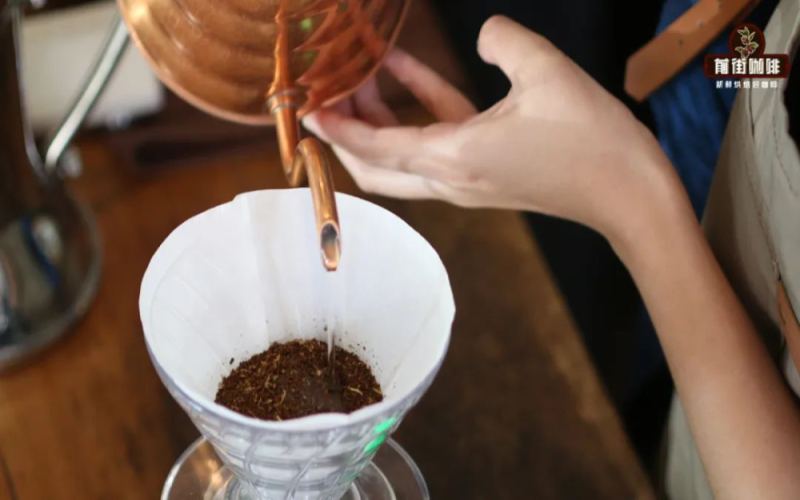
The reason pour-over coffee is called "pour-over" lies in the act of pouring water itself. Every barista has a different pouring style, and these differences directly influence the final flavor in the cup. There is no inherent hierarchy among pouring methods—what matters is whether they match the beans and the target flavor profile. Before developing a personal style, it is necessary to first understand exactly how different pouring techniques affect the extraction result. Drawing on Front Street's practical experience, this article examines three variables—flow rate, circling speed, and circling pattern—analyzing one by one how they change coffee's layers, acidity, sweetness, and body, and offering actionable combined pouring strategies to help you find the balance point between sweet-and-fruity notes and a rich, full mouthfeel. [more…]

A Complete Guide to Espresso Extraction: Practical Control Methods for Dose, Ratio, Time, and Grind Size
Want to make a balanced espresso at home but keep struggling with unstable flow rate and flavors that swing between sour and bitter? The truth is, there is no one-size-fits-all fixed parameter set for espresso extraction—coffee bean condition, grinder performance, machine pressure, and water temperature can all skew the results. This article approaches the topic from six dimensions—dose, brew ratio, extraction time, flow rate, pressure, and water temperature—and systematically explains how to customize a suitable extraction plan for the blend you have on hand, with specific references based on Front Street Coffee's classic blend and Strawberry Candy Espresso. It also includes methods for measuring espresso concentration and extraction yield to help you use golden cup data as a guide for adjustments, so you can ultimately find the cup you truly enjoy. [more…]